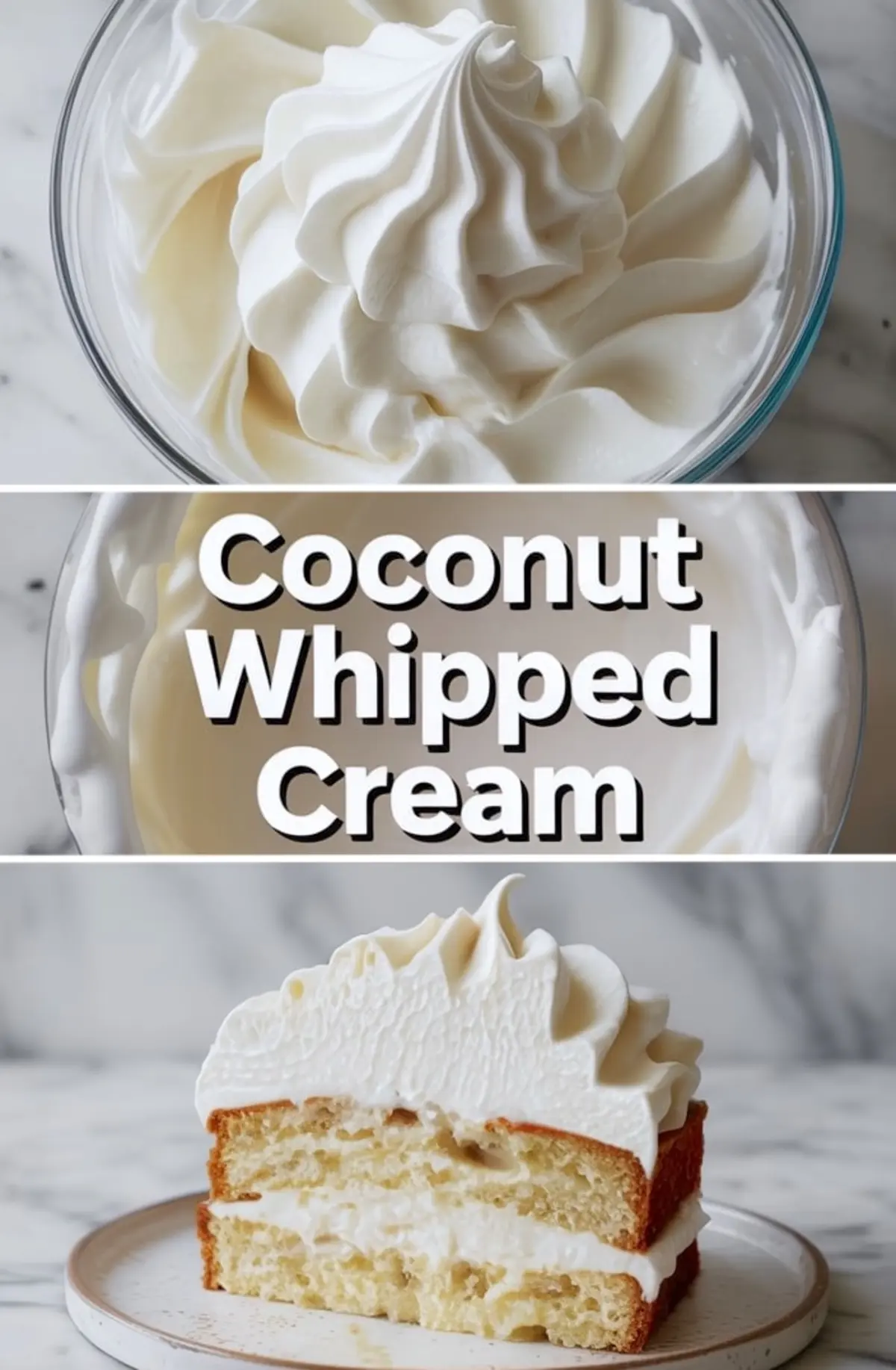
Transforming a simple can of coconut milk into a light, airy, and utterly delectable topping might seem like magic, but it's actually a culinary art form rooted in one crucial principle: chilling. For anyone venturing into the world of dairy-free desserts, DIY coconut whipped cream is a game-changer. It offers a rich, creamy texture and delicate flavor that rivals traditional dairy whipped cream, making it perfect for an array of treats, from elegant tarts to simple fruit bowls. Yet, the secret to achieving that perfect, stable, and fluffy consistency lies not just in the ingredients, but meticulously managed temperatures at every step. Without the right chill, your dream of cloud-like coconut cream could quickly turn into a soupy disappointment. Let's delve into why temperature is the ultimate maestro in creating perfect coconut whipped cream.
The Science of Chill: Why Temperature Matters for Coconut Whipped Cream Success
At its core, the success of coconut whipped cream hinges on the separation and solidification of fat. Coconut milk, especially the full-fat variety, is an emulsion of coconut fat and water. When left at room temperature, these components remain relatively intermixed. However, introduce a prolonged chill, and the science begins to work in your favor.
The fat content in coconut milk has a higher melting point than water's freezing point. This means that when a can of full-fat coconut milk is sufficiently chilled, the coconut fat rises to the top and solidifies into a thick, scoopable layer, akin to a creamy, firm butter. The watery liquid, often called coconut water, remains at the bottom. This physical separation is absolutely critical because it allows you to isolate the fat-rich solids, which are the only part capable of whipping into a stable cream. Trying to whip unchilled coconut milk or milk with too much water content is like trying to whip water itself – it simply won't work, as there isn't enough concentrated fat to create and hold an aerated structure.
Therefore, understanding this fundamental principle is the first step towards mastering coconut whipped cream. It's not just about getting the milk cold; it's about harnessing the power of cold to physically transform its composition, setting the stage for a truly amazing, dairy-free topping.
The Overnight Chill: Foundation of Fluffy Coconut Whipped Cream
The journey to perfect coconut whipped cream begins long before you even open the can. The most crucial initial step is to properly chill your can of full-fat coconut milk. This isn't a suggestion; it's a non-negotiable requirement for success. You'll need to place a can (or two, just in case!) of full-fat coconut milk in the refrigerator for a minimum of 8 hours, but ideally overnight.
Why is this so important? As discussed, this extended chill time allows the fat to completely separate from the coconut water and solidify into a thick, scoopable cream. It's essential to use full-fat coconut milk (not "light" or "reduced-fat"), as these varieties simply do not contain enough fat to whip properly. Brands like Thai Kitchen or Whole Foods 365 (365 Everyday Value) are often recommended for their high fat content and reliable separation, but many other quality brands like Aroy-D or Savoy also work wonderfully.
Crucial Tip: Once in the refrigerator, do not shake or stir the can. Any disturbance can disrupt the delicate separation process, re-emulsifying the fat and water and making it impossible to skim off the thick cream. When you're ready to use it, handle the can gently to maintain the integrity of the separated layers. For more details on selecting the best coconut milk and mastering the skimming process, explore our guide: Coconut Whipped Cream: Best Milk & How to Skim for Success.
Equipment Prep: The Cold Tools Advantage
Just as important as chilling the coconut milk itself is ensuring your whipping equipment is equally cold. Think of it this way: you've carefully solidified the coconut fat, and now you want to keep it that way throughout the whipping process. Any ambient heat from your kitchen or equipment can quickly melt the fat, sabotaging your efforts.
Before you begin, place the bowl of your stand mixer (or a large mixing bowl if using a hand mixer) and your whisk attachment (or hand mixer beaters) into the freezer for at least 10 to 15 minutes. A chilled bowl and whisk provide a cold environment that helps the coconut cream maintain its firm texture as you whip it. If your tools are warm, the friction from whipping, combined with a warm bowl, can cause the delicate fat molecules to melt, resulting in a soupy, unstable mixture that simply won't hold its shape.
Working quickly in a cool kitchen environment also contributes to better results. If your kitchen tends to be warm, consider chilling the bowl and whisk for longer, or even placing the mixing bowl over a larger bowl of ice water during the whipping process to maintain an optimal temperature. This proactive cooling of your equipment ensures that every element is working in harmony to create a light and fluffy coconut whipped cream.
Mastering the Scoop: Separating Cream from Water
With your coconut milk thoroughly chilled and your equipment frosty, the next critical step is to carefully extract only the solidified coconut cream, leaving the coconut water behind. This stage is where precision is key, as even a small amount of water can significantly compromise the final texture of your coconut whipped cream.
Gently open the chilled can of coconut milk. You should see a clear distinction: a thick, opaque white layer of solid coconut cream at the top, and a translucent, watery liquid (coconut water) underneath. Using a spoon, carefully scoop out only the firm, white coconut cream and transfer it to your pre-chilled mixing bowl. Be meticulous in this process. It is absolutely crucial to avoid including any of the coconut water. Even a teaspoon of this liquid can prevent the cream from whipping properly, leaving you with a soft, runny, or even granular consistency instead of light, fluffy peaks.
If you find it challenging to scoop without getting some water, err on the side of caution. It's better to leave a small margin of cream behind in the can than to risk incorporating any water. The leftover coconut water, by the way, is perfectly good for smoothies, soups, or drinking. This diligent separation ensures that you're working with the highest concentration of fat, setting you up for optimal whipping results. For a detailed, step-by-step visual guide on this essential process, be sure to check out our article: DIY Coconut Whipped Cream: Step-by-Step Guide for Best Results.
The Whipping Process: Transforming Cream to Cloud
Once you've carefully transferred the solidified coconut cream to your chilled bowl, it's time for the magical transformation. Add your sweetener of choice – typically 1/4 cup of powdered sugar (also known as confectioners' sugar) per 13.5-ounce can of coconut milk. Powdered sugar is preferred over granulated sugar because its fine texture dissolves easily, preventing a gritty mouthfeel and helping to stabilize the whipped cream. You can also add a touch of vanilla extract or other flavorings (like almond extract or citrus zest) at this stage for an extra layer of deliciousness.
Begin whipping on medium speed with your chilled whisk attachment. Initially, the cream may appear chunky, but as it aerates, it will gradually smooth out and increase in volume. Continue to whip for a few minutes, gradually increasing the speed to medium-high, until the mixture begins to stiffen and form soft to firm peaks. The exact whipping time can vary depending on your mixer, the specific brand of coconut milk, and the ambient temperature of your kitchen. Watch for a texture that holds its shape when the whisk is lifted, but is still light and airy.
A word of caution: While it might be tempting to keep whipping for ultra-stiff peaks, be mindful not to over-whip. Over-whipping can cause the coconut fat to separate, leading to a grainy or even greasy texture. Stop whipping as soon as you achieve your desired consistency.
Post-Whip Chill: Setting the Stage for Perfection
Congratulations! You've successfully whipped your coconut cream into a luscious, fluffy topping. However, your chilling journey isn't quite over. For the absolute best results, and to ensure your coconut whipped cream reaches its peak firmness and stability, a final chill after whipping is highly recommended.
Transfer the freshly whipped cream to a covered container and place it back in the refrigerator for at least a few hours, or even better, overnight. This final resting period allows the fat molecules to fully firm up and stabilize within the newly incorporated air structure. As the reference context states, it "should firm up even more as it sits in the refrigerator." This means it will become denser, hold its shape better, and have a more satisfying mouthfeel, making it ideal for piping onto a lemon blueberry olive oil cake, adorning a bowl of fresh berries, or elevating a simple cup of hot chocolate. This extended chill also helps in preventing it from deflating or becoming too soft when served, especially if your serving environment is warm.
When properly chilled, coconut whipped cream can typically be stored in an airtight container in the refrigerator for 3-5 days. If it seems to have softened slightly upon taking it out, a brief, gentle re-whipping (just for 30-60 seconds) can often restore its fluffiness. This final chill is the ultimate stamp of approval, ensuring your hard work culminates in a perfectly textured, ready-to-enjoy dairy-free delight.
The journey to perfect coconut whipped cream is undeniably a chilled one. From the initial overnight refrigeration of the can to the frozen equipment and the final resting period after whipping, every step underscores the critical role of temperature. Embracing the science of chill allows you to transform humble coconut milk into a versatile, delicious, and beautifully stable topping that can elevate any dessert. So, the next time you crave a light, creamy, and dairy-free indulgence, remember: patience, precision, and plenty of cold are the true keys to unlocking the magic of perfect coconut whipped cream.
